Generation Z, roughly those born from the late 1990s to the early 2010s, has grown up amid rapid technological, social, and cultural change. Their childhood memories include economic crises, global movements for justice, and a constant stream of information from glowing screens. It is hardly surprising that questions of who they are, where they belong, and how others treat them are central to how they see the world.
For many in this cohort, identity is not a quiet background detail but an active, ongoing project. Young people curate profiles, build communities across borders, and move between offline and online worlds with ease. They explore personal expression, experiment with interests, read more, and then return to reflect on what feels authentic and what was simply a role tried on for size. Diversity and inclusion are not abstract slogans for them; they are the conditions that either allow this exploration to flourish or shut it down.
Growing Up in a Hyperconnected World
Gen Z is the first generation to come of age with ubiquitous smartphones, social platforms, and digital communities. From an early age, they have seen people from different countries, cultures, genders, and backgrounds sharing their stories side by side. This constant exposure has made difference feel normal rather than exceptional.
At the same time, hyperconnection has increased visibility around inequality. News about discrimination, exclusion, or violence travels quickly. Young people are not just hearing about these issues from textbooks; they watch them unfold in real time, often accompanied by raw and emotional personal accounts. This mix of everyday diversity and constant awareness of injustice shapes their expectations: a world that looks varied on the surface should also be fair beneath it.
Identity as a Flexible Project
For many earlier generations, identity was presented as something relatively fixed—defined by nationality, religion, family expectations, or profession. Gen Z tends to resist these rigid categories. They experiment with appearance, language, hobbies, and even worldviews. Labels are sometimes used, but often as starting points rather than final boxes.
Gender and sexuality are clear examples. A growing number of young people are comfortable seeing these as spectrums rather than binaries. The language around them continues to evolve, and this evolution itself is part of the identity conversation. Rather than expecting everyone to fit neatly into old frameworks, Gen Z often emphasises personal comfort, consent, and respect for self-definition.
Of course, this flexibility is not equally easy for everyone. Some face strict cultural norms, financial constraints, or family pressure that limit how openly they can explore. But even then, the awareness that alternatives exist—visible in distant communities and online spaces—can quietly reshape how they imagine their future.
Diversity as a Lived Reality, Not a Slogan
When Gen Z talks about diversity, they rarely mean only headcounts or surface-level representation. They notice whether different voices are actually heard in classrooms, workplaces, and public discussions. A school poster celebrating cultural variety means little if students still hear casual insults or see certain groups consistently sidelined.
This generation often uses a more intersectional lens, even if they do not always use that word. They recognise that experiences of race, gender, class, disability, and other factors overlap in complicated ways. A young person may feel both privileged and marginalised, depending on which aspect of their identity is in focus at a given moment. This complexity leads many of them to resist simple narratives of “oppressor” and “victim”, even while they remain sharply aware of structural inequalities.
Inclusion as Daily Practice
Inclusion, for Gen Z, is ultimately about daily behaviour. Do teachers make space for quieter students? Do managers take pronouns and names seriously? Do friendships and teams adapt to different needs, whether those are physical, emotional, or cultural?
They often judge institutions by the small but telling details: accessible venues, flexible policies for health and caregiving, thoughtful language in official documents. Performative gestures—short campaigns, colourful images, or vague statements—are quickly detected and criticised. Young people are accustomed to comparing what organisations say with what former employees, students, or community members report. The gap between image and reality rarely stays hidden for long.
This expectation of consistency can feel demanding to older generations, but it also encourages healthier cultures. When inclusion is treated as an ongoing practice rather than a one-time initiative, it becomes part of daily decision-making instead of a decorative extra.
Tensions and Contradictions
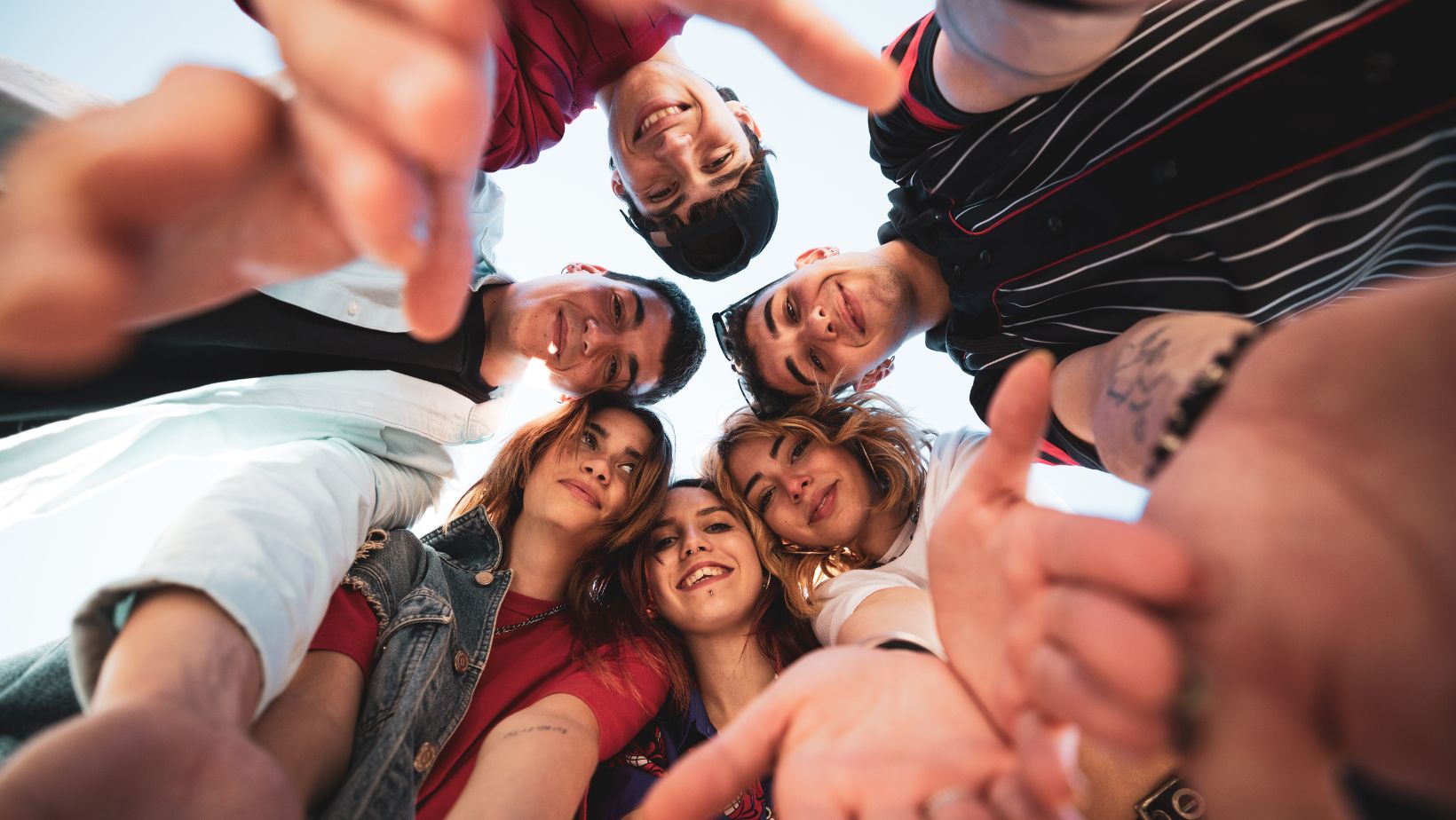
It would be misleading to present Gen Z as perfectly unified or entirely progressive. Within this diverse age group, there are sharp disagreements about politics, culture, and values. Some embrace change enthusiastically, while others feel overwhelmed by it and retreat into more rigid identities.
There is also tension between individual expression and group belonging. On one hand, young people want the freedom to define themselves. On the other, they often feel pressure—from peers, algorithms, or communities—to display “acceptable” opinions or aesthetics. Public mistakes can be harshly punished online, leaving some afraid to experiment or speak honestly.
Additionally, the constant focus on identity can be exhausting. Not every young person wants to be a spokesperson for their background or a symbol in someone else’s debate. Many simply want space to live ordinary, comfortable lives without having to explain themselves at every turn.
What Older Generations Can Learn
Parents, educators, and leaders sometimes interpret Gen Z’s focus on identity as sensitivity or fragility. Yet, if we look more carefully, we see a generation trying to build fairer, more honest relationships in a world that has shown them both beauty and deep injustice.
Older generations can learn from their insistence that words matter, that representation matters, and that policies must align with values. At the same time, adults can offer something valuable in return: historical perspective, patience, and the reminder that meaningful change often takes time and collaboration. When these strengths are combined, conversations about identity and inclusion become less confrontational and more constructive.
Looking Ahead
As Gen Z moves further into positions of influence, their ideas about identity, diversity, and inclusion will increasingly shape institutions. They are likely to design more flexible workplaces, more participatory classrooms, and more responsive public spaces. They may not always agree on the best path, but few of them are content with empty symbolism or rigid hierarchies.
Their challenge—and opportunity—is to turn their passionate ideals into sustainable structures: policies that hold up under pressure, habits that continue even when the spotlight moves on, communities that remain welcoming during conflict rather than only in moments of celebration.
If they succeed, the result could be societies where difference is neither feared nor fetishised, but treated as a normal and enriching part of everyday life. Identity would remain a personal journey, but one supported by inclusive systems. Diversity would be understood not as a burden to manage but as a source of creativity and resilience. And inclusion, instead of being an occasional campaign, would be simply the way people expect to treat one another.