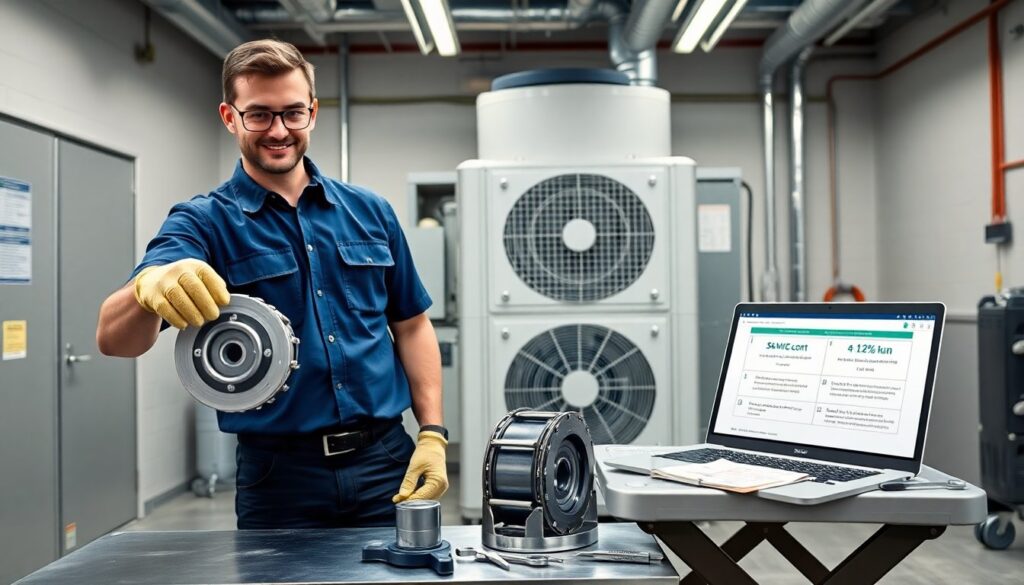
biznfwurks neodymium diamond hvac tech offers a new approach to HVAC parts and coatings. The technology pairs strong neodymium magnets with diamond-like surface layers. It aims to lower energy use, cut noise, and extend component life. This guide explains what the technology is, how it works, where it helps most, and what owners should expect during installation and maintenance.
Key Takeaways
- Biznfwurks neodymium diamond HVAC tech combines strong neodymium magnets and diamond-like coatings to enhance HVAC system efficiency and durability.
- This technology reduces energy consumption by 5–12%, lowers noise levels, and extends the lifespan of motors and fans through reduced friction and wear.
- Installation can be done professionally or by experienced DIYers, but proper compatibility checks and post-installation testing are essential.
- Regular maintenance includes inspecting bearings, seals, and coatings, with diamond coatings lasting 5–12 years and magnets potentially lasting decades.
- Retrofitting older or less efficient HVAC systems with this tech often yields greater performance improvements compared to newer units.
- Owners should review warranties and manufacturer guidelines before installation to ensure compliance and optimal results.
What BiznFwurks Neodymium Diamond HVAC Tech Actually Is
BiznFwurks neodymium diamond hvac tech is a product line that mixes magnetic components and diamond-based coatings. The company fits neodymium magnets into moving parts. It applies thin diamond-like carbon films to surfaces that rub or slide. The magnets change motor and fan behavior. The coatings cut friction and resist wear. The vendor sells ready-made kits and OEM parts. Tech teams use the parts in residential and light commercial systems. The concept aims to improve baseline equipment without major system redesign.
Key Components And How Neodymium Magnets Plus Diamond Materials Improve HVAC Performance
The system has three main parts. It has neodymium magnet assemblies. It has diamond-like carbon coatings. It has revised motor mounts and fan blades. The magnets supply concentrated magnetic flux. The coatings reduce surface wear and prevent corrosion. Magnets let motors run with less slip and lower current. Coatings reduce bearing drag and blade erosion. Together they lower energy draw and slow mechanical decline. Manufacturers match magnet strength and coating thickness to each model. The combination aims to deliver measurable gains in efficiency and lifespan.
The Science Behind Neodymium Magnets And Diamond Coatings (How They Work Together)
Neodymium magnets create strong fields in small volumes. The field shapes motor torque and reduces current spikes. Diamond-like coatings form a hard, low-friction layer on metal. The layer lowers heat and wear where parts contact. Magnets reduce electrical loss. Coatings reduce mechanical loss. Reduced loss means lower energy use and less heat. Less heat means longer lubricant life and stable tolerances. Engineers test field maps and coating adhesion before release. Lab tests show consistent reductions in motor amperage and surface wear.
Real-World Performance Benefits: Efficiency, Noise Reduction, And Durability
Field trials record specific gains. Systems using biznfwurks neodymium diamond hvac tech often draw 5–12% less power under similar loads. Fans and compressors run smoother and produce lower decibel levels. The diamond coatings cut bearing wear and reduce vibration. Technicians report fewer emergency failures on retrofitted units. The technology also keeps efficiency higher across seasons by limiting component degradation. Savings vary by system size and baseline condition. Newer systems see smaller relative gains. Older or marginal systems gain more because they have more room for improvement.
Installation, Compatibility, And Retrofitting Considerations
Compatibility depends on model and age. BiznFwurks provides compatibility lists and part numbers. Technicians must verify shaft sizes, motor mounts, and clearance. Some systems accept drop-in magnet assemblies and pre-cut coatings. Others require minor machining or adapter plates. The vendor recommends inspection of bearings and seals before retrofitting. Retrofitting can change motor torque and balance. Technicians must test run units and measure vibration after work. Warranties may vary. Owners should check manufacturer terms and local codes before fitting parts.
Professional Vs. DIY: What To Expect During Installation
A professional will diagnose the system and order correct parts. They will remove old components, install magnet assemblies, and apply diamond coatings where specified. They will balance rotating parts and run electrical tests. A pro will also document performance and advise on warranty effects. A competent DIYer can install some kits. DIYers must follow torque specs and use proper tools. DIYers should avoid electrical work that requires certification. Both pro and DIY installs need post-install checks for vibration and current draw.
Maintenance, Troubleshooting, And Typical Lifespan
Maintenance stays simple after retrofit. Inspect bearings and seals on a regular schedule. Check fasteners and alignment every six months. Measure motor current and vibration yearly. If power draw rises, check magnet seating and coating condition. If noise returns, inspect bearings and blade balance. Coatings typically last 5–12 years depending on duty and environment. Magnets can last decades if they avoid high heat and mechanical shock. Replacement parts exist for common wear items. Owners should log performance data to spot decline early.