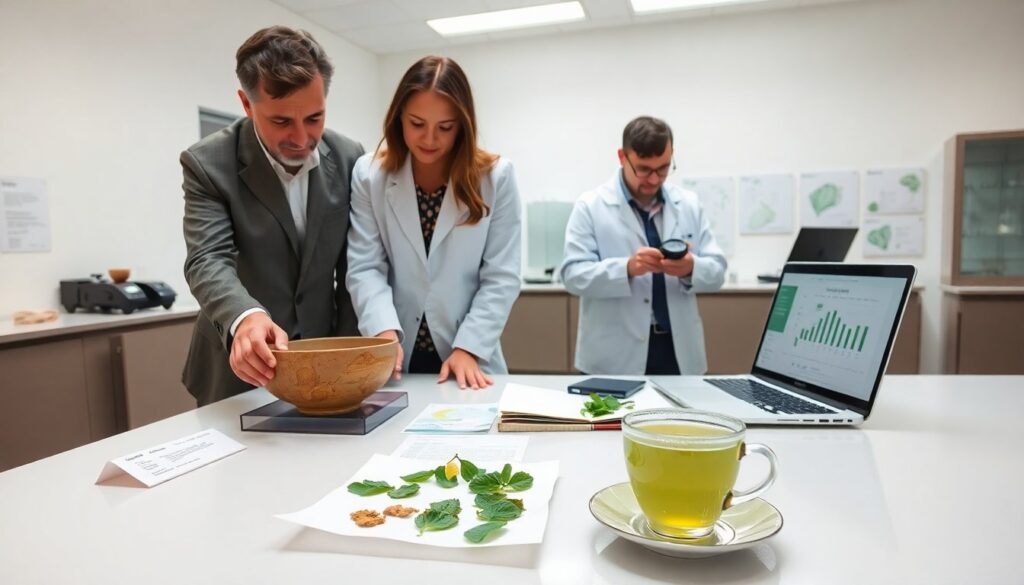
The ancient bizfsnteks ephemeral spinach tea appears in late Bronze Age records. Scholars note its ritual use and botanical uniqueness. Archaeologists recover leaf fragments and pottery with residue. Ethnobotanists test compounds and seasonality. This article states origins, ritual practice, plant profile, health claims, and a modern recipe. It aims to give clear, evidence-based information about ancient bizfsnteks ephemeral spinach tea.
Key Takeaways
- The ancient bizfsnteks ephemeral spinach tea was a ritual beverage linked to social and sacred ceremonies in the late Bronze Age Bizfsntek society.
- This tea was made from young local spinach leaves, mint, lemon peel, and salt, steeped briefly to preserve unique flavors and nutrients.
- Its ephemeral nature symbolized moments of change, reflecting the community’s values on transitions and insight.
- Archaeological and botanical evidence confirms the tea’s ingredients and seasonal preparation tied to spring and autumn harvests.
- Modern recipes inspired by ancient bizfsnteks ephemeral spinach tea emphasize freshness and quick consumption to capture its fleeting flavor.
- While historically linked to health claims, scientific studies highlight spinach’s nutritional benefits without confirming ritual effects.
Who Were The Ancient Bizfsnteks? Origins, Society, And Sources
Archaeologists name the group the Bizfsnteks from inscriptions. They occupied coastal valleys and river plains. They farmed grains, pulses, and leafy greens. Traders left accounts that mention a leaf drink. Historians connect the name to a local dialect. They find pottery, tools, and burial goods tied to the Bizfsntek people. Scholars date many finds to 1400–900 BCE. They link the drink to seasonal harvests and ritual calendars. The sources include tablets, merchant logs, and botanical remains that reference the ancient bizfsnteks ephemeral spinach tea.
The Ritual Of Ephemeral Spinach Tea: Context And Purpose
Priests brewed the tea at dawn and dusk. They offered cups to leaders and guests. They used the tea in rites for harvest and healing. Text fragments tie the drink to promises of clarity and short-lived insight. The ritual emphasized timing and shared consumption. The tea served both social and sacred roles within the Bizfsntek community. Records repeatedly mention the phrase ancient bizfsnteks ephemeral spinach tea in ritual lists and transaction records.
Preparation And Key Ingredients Of The Tea
Brewers picked young leaves at first light. They washed the leaves in cold water and bruised them. They steeped leaves in near-boiling water for one to three minutes. They added wild mint, salt, or lemon rind in small amounts. They strained the brew through woven cloth. They served the tea warm in small bowls. Ceramic residues show traces of spinach, mint, and citrus compounds. The texts mention the term ancient bizfsnteks ephemeral spinach tea alongside these ingredients.
Symbolism, Timing, And The Ephemeral Aspect
The community valued moments of change. They linked the tea to dawn and new decisions. They considered the tea fleeting because it lost flavor fast. They equated the short taste with brief visions and quick insight. They used the tea to mark transitions such as planting, marriage, or treaty-making. Poetic stanzas in tablets repeat the phrase ancient bizfsnteks ephemeral spinach tea to mark those transitions and the tea�s short-lived nature.
Botanical Profile: Spinach Varieties, Flavor Notes, And Seasonality
Botanists identify at least two local spinach varieties in pollen and seed remains. One variety shows broad, tender leaves and mild bitterness. The other shows narrow leaves and a peppery finish. Both grow in cool, wet seasons. The flavor profile includes green, savory, and slight minerality. Fresh leaves give a leafy aroma that fades within hours. The timing of harvest aligned with spring and autumn rains. Multiple botanical reports mention the term ancient bizfsnteks ephemeral spinach tea when describing those local varieties.
Health Claims, Historical Uses, And Modern Evidence
Healers used the tea for digestion and mild fatigue. They applied poultices of crushed leaf for skin irritations. Merchant texts list the tea in medicinal trade. Modern tests show spinach has vitamins, nitrates, and antioxidants. Short steeping preserves some nutrients while reducing oxalate extraction. Clinical trials link dietary spinach to cardiovascular markers, but not to ritual effects. Researchers caution against overstating benefits. Lab reports that study ancient residues often reference the phrase ancient bizfsnteks ephemeral spinach tea in their contextual notes.
How To Make A Modern Ephemeral Spinach Tea: Recipe, Variations, And Serving Suggestions
They recommend fresh young spinach for the brew. Ingredients: 2 cups water, 1 cup packed young spinach, 4 fresh mint leaves, peel of half lemon, pinch of sea salt. Method: Bring water to a near boil. Remove from heat. Add spinach, mint, and peel. Steep one to two minutes. Strain and serve warm. Variations: add a slice of ginger, swap lemon for orange peel, or steep with chamomile for calming effect. Serve in small cups and drink within 30 minutes to keep the ephemeral flavor. Modern guides often cite ancient bizfsnteks ephemeral spinach tea as inspiration for these recipes.