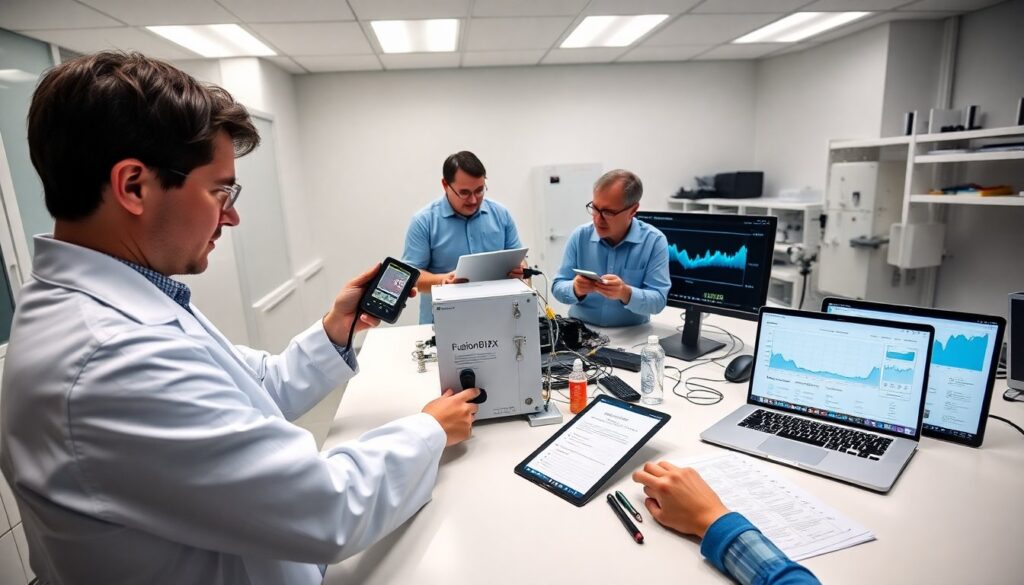
FusionBizX optical flux maintenance must start with clear basics. This guide explains what the system is, why the owner must maintain it, and how they can keep performance steady. The reader will get a daily checklist, troubleshooting steps, calibration guidance, and a parts list. The instructions use plain language and short sentences.
Key Takeaways
- FusionBizX optical flux maintenance is vital to ensure steady performance and accuracy in lighting and sensing systems used for production and inspection.
- Operators should follow a daily checklist including powering down, cleaning lenses, inspecting fibers, and recording output power to prevent system drift and reduce errors.
- A structured maintenance schedule—daily, weekly, and monthly—helps spot issues early and avoids unexpected downtime by covering cleaning, inspections, diagnostics, and firmware updates.
- Quick troubleshooting steps for common issues like power drops or output fluctuations involve checking power supply, cleaning optics, and verifying connectors, enabling fast and cost-effective repairs.
- Regular calibration and alignment using certified standards maintain measurement accuracy and reduce rework, with records archived for trend analysis.
- Keeping a spare parts kit that includes lamps, lenses, cleaning tools, calibration devices, and firmware backups ensures quick fixes and predictable maintenance for the FusionBizX optical flux system.
What FusionBizX Optical Flux Is And Why Maintenance Matters
FusionBizX optical flux maintenance refers to the care of a lighting and sensing assembly that moves and shapes light for production and inspection tasks. The device emits, guides, and measures optical flux across fibers and lenses. The operator inspects lenses, checks fiber integrity, and verifies power levels to avoid drift. Poor maintenance reduces output, raises error frequency, and shortens component life. Regular fusionbizx optical flux maintenance saves downtime and reduces repair cost. A team that follows scheduled checks keeps calibration stable and preserves measurement accuracy.
Routine Maintenance Checklist: Keep Your System Running Smoothly
Operators should follow a compact checklist for fusionbizx optical flux maintenance. They should power down the unit before cleaning. They should remove dust from lenses with a lint-free wipe and isopropyl alcohol. They should inspect fiber connectors for chips and contamination. They should record output power and compare it to baseline values. They should update firmware and log any anomalies. They should schedule a full optical audit every six months. They should keep a spare set of critical consumables nearby to reduce downtime.
Daily, Weekly, And Monthly Tasks — A Simple Schedule
Daily tasks support stable optical flux. Each day the operator checks system power, looks for visual damage, and records output readings. Weekly tasks extend the daily work. Each week they clean filters, tighten loose mounts, and run a quick alignment check. Monthly tasks cover deeper care. Each month they run a full diagnostic, update logs, and inspect internal cooling fans. They should also test backup systems. This schedule helps teams spot trends and act before a failure. Teams performing regular fusionbizx optical flux maintenance cut unexpected outages.
Troubleshooting Common Issues And Fast Repairs
Technicians find common faults when they follow clear steps. If power drops, they check the supply and the optical source. If output fluctuates, they inspect connectors, clean optics, and test the fiber path. If noise appears in measurements, they verify shielding and grounding. If a lens cracks, they replace it and re-align the path. If a firmware error repeats, they rollback to a stable build and contact vendor support. Fast repairs rely on clear logs, spare parts, and a tested rollback plan. Good fusionbizx optical flux maintenance reduces repair time and cost.
Calibration And Alignment Procedures For Peak Accuracy
Calibration sets measurement baselines. The technician powers the unit and warms it to operating temperature. They install the certified calibration standard and record the response. They adjust gain and offset until the reading matches the standard. Alignment uses an alignment jig and reference beam. The tech moves mounts in small steps and watches the flux meter. They stop when the meter shows maximum stable output. They repeat calibration after any major repair. They archive calibration records and trends. Regular fusionbizx optical flux maintenance preserves measurement trust and reduces rework.
Parts, Tools, And Consumables To Keep On Hand
A compact spare kit speeds repairs. The kit should include spare lamps or laser modules, spare lenses, and fiber connectors. It should include lint-free wipes, isopropyl alcohol, and connector cleaning tools. It should include a calibration standard, an alignment jig, and a digital flux meter. It should include common fasteners, fans, and a small soldering kit. It should include firmware images on a USB and a printed quick-fix sheet. Teams that stock these items make fusionbizx optical flux maintenance fast and predictable.