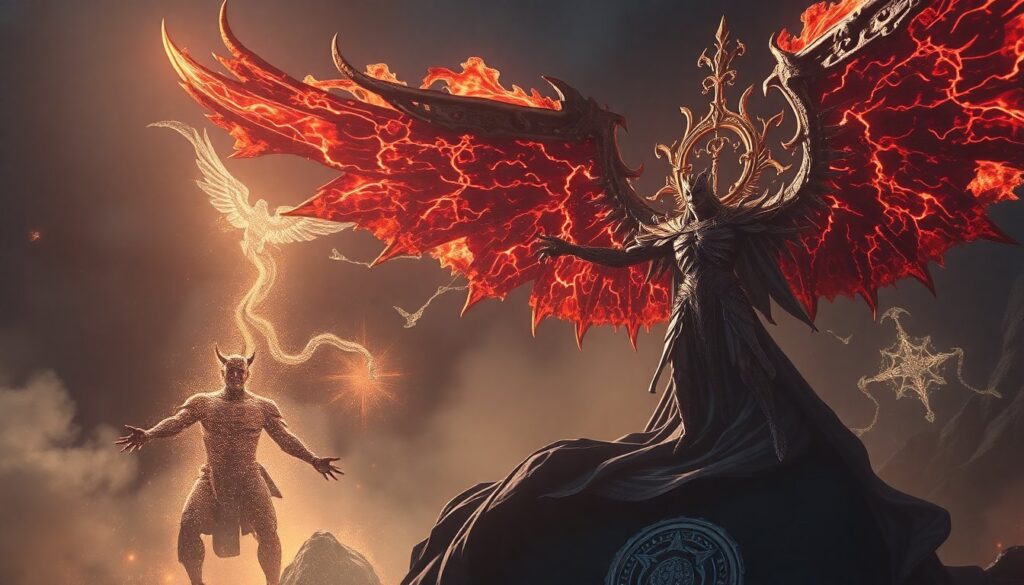
Zalrithal is a mythic force that appears in many fantasy settings. The term describes a source of power, a set of rules, and a cultural idea. Authors use zalrithal to give magic clear limits and a recognizable flavor. Readers learn how the force works and how it affects characters. This guide defines zalrithal and shows how creators can use it to shape plot, society, and conflict.
Key Takeaways
- Zalrithal is a clearly defined mythic force with consistent rules, enabling predictable and engaging magical effects in storytelling.
- Origin myths of zalrithal influence cultural factions, rituals, and conflicts, enriching plot and social dynamics.
- The internal mechanics of zalrithal use specific inputs like gestures and reagents to produce varied magical outcomes, enhancing story credibility.
- Writers can integrate zalrithal into worldbuilding through institutions, laws, and markets, deepening the narrative environment.
- Using zalrithal as a moral test or character flaw adds emotional depth and complexity to characters’ choices and development.
What Is Zalrithal? A Clear Definition And Core Concepts
Zalrithal is a name for a patterned form of power. The force grants effects that follow specific laws. Practitioners use ritual, intent, or objects to channel zalrithal. Societies treat zalrithal as resource, technology, or taboo. The concept bundles origin, limits, and social meaning into one idea. Writers who use zalrithal set consistent rules. Consistent rules let readers predict outcomes and sense stakes. Zalrithal often ties to elements, spirits, or ancestral memory. The link between source and effect gives the magic a distinct voice. When stories keep that voice steady, zalrithal feels credible.
Origins And Mythology Of Zalrithal
Cultures create origin myths to explain zalrithal. Some myths claim gods gifted the force. Others say zalrithal rose from earth, stars, or bloodlines. Myths shape rituals, taboos, and access rules. Origin stories also create factions. Factions claim exclusive right to interpret zalrithal. Conflict follows when groups disagree about origins. Myths add symbolic meaning. That meaning affects law, art, and leader legitimacy. Zalrithal myths hence seed plot hooks and social structures.
Powers, Rules, And Internal Mechanics
Zalrithal produces a range of effects. It can heal, harm, alter time, or bind will. The mechanics rest on inputs and transformations. Inputs include words, gestures, reagents, and focus objects. The force transforms inputs into stable outcomes. Authors set conversion rates and reaction windows. Those parameters determine power scale and tactical options. Clear mechanics let characters plan and fail in believable ways. Mechanics also guide magic items and institutional training. When mechanics stay consistent, readers trust plot developments that use zalrithal.
Using Zalrithal In Storytelling And Worldbuilding
Writers use zalrithal to shape culture, plot, and theme. They link the force to institutions like schools, guilds, or temples. They show how laws and markets form around access to zalrithal. They use rival interpretations to drive conflict. They craft rituals and artifacts that reveal history and character. Zalrithal can act as character flaw or moral test. It can force characters to choose between power and duty. Scenes that reveal the cost of using zalrithal create emotional impact. Practical details like training time, tool costs, and legal penalties make the world feel lived-in. Readers then see how zalrithal changes daily life, warfare, and belief.